
Conservit energy guide
Commercial Rooftop Solar: A Practical Guide
The essentials of roof suitability, system design, project returns and dependable execution.
Introduction
Electricity is a major operating cost for many businesses. Manufacturing units, warehouses, offices, schools, hospitals, hotels and commercial buildings often have large roof areas that can be evaluated for solar generation.
Commercial rooftop solar can help businesses produce electricity on-site and manage long-term energy costs. However, a project's success depends on more than installing the maximum possible number of panels. A reliable project requires careful evaluation of consumption, roof condition, electrical infrastructure, design assumptions, commercial structure and maintenance.
What is commercial rooftop solar?
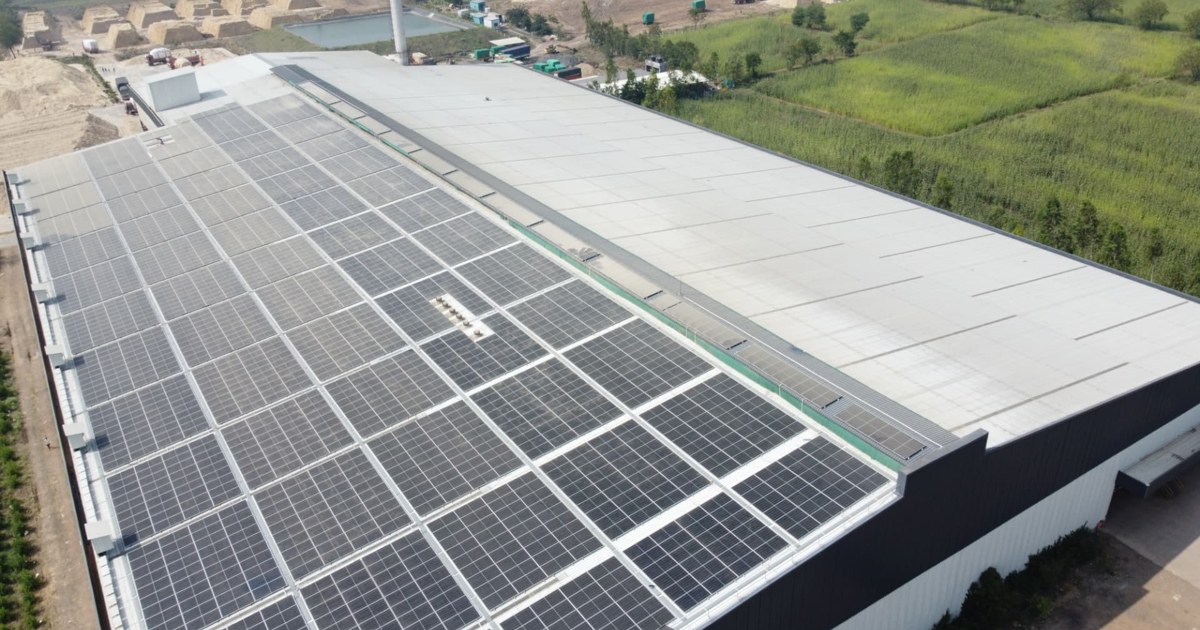
Commercial rooftop solar is a grid-connected solar photovoltaic system installed on the roof or other suitable area of a business facility. The system may serve:
- Offices.
- Factories.
- Warehouses.
- Retail buildings.
- Schools and colleges.
- Hospitals.
- Hotels and restaurants.
- Housing-society common areas.
- Institutions and public buildings.
The system typically includes modules, mounting structures, inverters, DC and AC cables, protection systems, monitoring equipment and grid-interconnection components.
Why are businesses considering rooftop solar?
Reducing dependence on grid electricity
Solar generation can supply part of the facility’s electricity consumption during suitable periods. The actual benefit depends on generation, consumption timing, tariff and system design.
Improving cost predictability
Grid tariffs and charges may change over time. A solar project can help businesses plan a portion of their electricity supply using a known project investment or contractual structure.
Using available roof space
Large roofs may be suitable for solar, but you must assess usable area after considering shade, access, equipment, structural conditions, safety clearances, and maintenance routes.
Supporting sustainability objectives
Solar can support renewable-energy, carbon-reduction, and ESG objectives when the project is properly documented and monitored.
Reducing operating costs
The financial benefit depends on system cost, generation, tariff, operating life, O&M, financing, taxes, degradation and electricity consumption.
Step 1: Study the electricity bill
Before requesting a proposal, collect several months of electricity bills if available. Review:
- Billing period.
- Units consumed.
- Tariff category.
- Fixed charges.
- Demand charges.
- Time-of-use details.
- Contracted demand.
- Maximum demand.
- Historical consumption.
- Existing renewable-energy arrangements.
A single monthly bill can support an initial discussion, but multiple months usually provide a better picture of seasonality and operating patterns.
Step 2: Assess the roof and facility
A site assessment should consider:
- Usable roof area.
- Roof orientation and slope.
- Nearby shade.
- Roof condition.
- Structural suitability.
- Water drainage.
- Access for installation and maintenance.
- Space for inverters and electrical equipment.
- Cable routes.
- Fire and safety requirements.
- Existing electrical panels and transformer capacity.
A roof may appear large from a distance but have limited usable area because of skylights, ducts, water tanks, parapets, equipment, shadow and access requirements.
Step 3: Understand the consumption profile
Solar produces electricity during daylight hours. A business that operates mainly during the day may be able to consume more solar power directly.
Businesses should evaluate:
- Start and stop times.
- Weekday versus weekend demand.
- Seasonal operations.
- Major equipment loads.
- Daytime base load.
- Evening and night-time load.
- Shutdown periods.
- Future capacity expansion.
The system should be designed around actual and expected consumption—not only roof size.
Step 4: Compare CAPEX and OPEX models
CAPEX model
Under CAPEX, the customer funds the system and usually owns the asset.
Potential advantages:
- Asset ownership.
- Direct control over system design and operation.
- Long-term benefit after project payback.
- Ability to select equipment and service scope.
Questions to evaluate:
- Upfront capital requirement.
- Financing cost.
- O&M responsibility.
- Warranty coverage.
- Asset ownership and accounting treatment.
- Expected operating period.
OPEX or RESCO model
Under an OPEX or RESCO structure, a third party may invest in, own and operate the system, while the customer pays for electricity under an agreed arrangement.
Potential advantages:
- Lower upfront capital requirement.
- External party may manage installation and O&M.
- Potentially simpler access for businesses that prefer not to own the asset.
Questions to evaluate:
- Contract period.
- Tariff or payment structure.
- Escalation clauses.
- Minimum purchase obligations.
- Roof-use rights.
- Performance responsibilities.
- Exit terms.
- Ownership after contract expiry.
- Maintenance and replacement obligations.
There is no universal answer regarding which model is better. The decision depends on the customer’s capital, ownership preference, building tenure, tax position, risk appetite and long-term energy plan.
Step 5: Evaluate the solar proposal
A commercial solar proposal should clearly show:
- Proposed system capacity.
- Equipment make and model.
- Module and inverter specifications.
- Expected annual generation.
- Generation assumptions.
- Roof layout.
- Shadow considerations.
- Estimated energy offset.
- Project cost.
- Taxes and exclusions.
- O&M scope.
- Warranty details.
- Approvals and responsibilities.
- Commissioning process.
- Payment milestones.
- Project timeline.
- Expected performance-monitoring method.
Do not compare quotations only on price per kW. A lower-cost quote may exclude structural work, electrical upgrades, monitoring, approvals, maintenance or safety systems.
Step 6: Evaluate financial performance
A solar financial model should consider:
- Project cost.
- Annual energy generation.
- Electricity tariff.
- Self-consumption.
- Export or net-metering treatment.
- O&M cost.
- Financing cost.
- Degradation.
- Downtime.
- Tax and depreciation treatment.
- Future tariff changes.
- System operating life.
A simple payback calculation may be useful as a first view, but it does not capture every financial factor.
\text{Simple payback} =
\frac{\text{Initial project cost}}{\text{Annual net savings}}
Treat this as an estimate, not a guaranteed outcome. Conservit should publish project-specific figures only where the assumptions and results are documented.
Common commercial solar mistakes
Choosing capacity from roof size alone
The largest possible system may not produce the best financial result if the customer cannot consume or export the energy effectively.
Ignoring electrical infrastructure
The facility may require upgrades to panels, transformers, cables, protection systems or metering arrangements.
Using a single bill for financial projections
A single bill may not reflect seasonal changes or future operating plans.
Comparing only equipment brands
Product quality matters, but design, installation, safety, commissioning, monitoring and support also influence long-term performance.
Accepting savings without assumptions
Every savings estimate should explain assumptions about tariff, generation, consumption, O&M, degradation, and system availability.
Neglecting maintenance access
A layout that maximises panel count but makes cleaning and inspection difficult may create long-term operational problems.
Why EPC selection matters
A solar EPC partner may be involved in:
- Site assessment.
- System design.
- Procurement.
- Structural installation.
- Electrical integration.
- Approvals.
- Testing.
- Commissioning.
- Documentation.
- Monitoring.
- O&M.
Ask prospective EPC providers for:
- Relevant project experience.
- Technical scope.
- Approved equipment details.
- Safety process.
- Warranty handling.
- References or case studies.
- O&M capability.
- Response process.
- Documentation and handover details.
Conclusion
Commercial rooftop solar can be a valuable energy-management option for businesses, but a successful project begins with proper evaluation. Consider electricity consumption, roof condition, electrical infrastructure, system design, financial assumptions, and after-sales support together.
Share your recent electricity bills and basic site details with Conservit to begin an initial commercial solar feasibility discussion.