
Conservit energy guide
EV Chargers for Homes, Offices and Fleets: A Practical Guide for India
Learn how to choose EV chargers for homes, offices, housing societies, commercial sites and fleets, with guidance from Conservit, a Tata Power EV charger partner.
Introduction
Electric vehicles are becoming an increasingly visible part of India’s transport system. As EV adoption grows, charging infrastructure is becoming important for homeowners, housing societies, offices, commercial properties, hotels, retail destinations and fleet operators.
Choosing an EV charger is not only about selecting a charger with the highest power rating. The right solution depends on the vehicle, parking duration, electrical connection, available load, user behaviour, site layout, operating hours and future requirements.
Conservit Power Solutions helps customers evaluate and implement EV charging solutions. Conservit is a partner for Tata Power EV chargers, subject to applicable Tata Power terms, serviceability and project requirements.
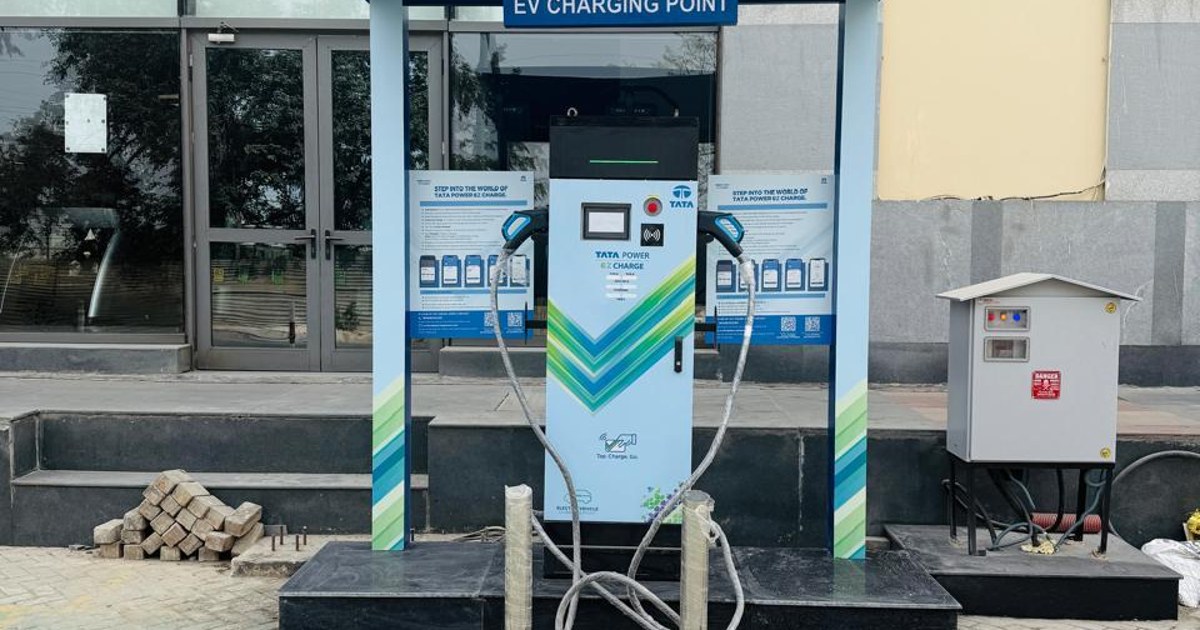
Tata Power EZ Charge provides charging solutions for homes, housing societies, offices, public places and fleet organizations. Its platform also includes charger discovery, charging access and digital tools through the EZ Charge ecosystem.
What is an EV charger?
An EV charger transfers electricity from the electrical supply to an electric vehicle’s battery. It communicates with the vehicle and manages the charging process according to the charger type, vehicle requirements and applicable safety controls.
An EV charging installation may include:
- Charger hardware.
- Electrical cables and protection.
- Metering and isolation equipment.
- Distribution board or dedicated panel.
- Earthing and surge protection.
- Civil work and mounting.
- Parking-bay marking.
- Communication or network connectivity.
- Software or app integration.
- Monitoring and maintenance support.
The charger is only one part of the complete installation.
Types of EV charging solutions
Home charging
Home charging is generally suitable for individual EV owners who park for several hours overnight or during the day. The solution should be designed around the home’s electrical capacity, parking location, cable route and usage pattern.
Housing-society charging
Housing societies may need multiple chargers, shared parking management, load allocation, metering, user access controls and future expansion planning.
Before installation, the society should clarify:
- Who owns the charging equipment?
- How will electricity consumption be measured?
- Who pays for common electrical infrastructure?
- How will users reserve charging slots?
- What happens when demand increases?
- Who handles repairs and maintenance?
Workplace charging
Workplace charging can support employee vehicles, company cars and visitor charging. The best operating model depends on employee parking duration, working hours, charger numbers, available load and whether the employer subsidizes charging.
Public and destination charging
Malls, hotels, restaurants, hospitals, offices and retail destinations can install charging stations to improve customer convenience and encourage longer visits.
The business case may involve:
- Customer attraction.
- Parking differentiation.
- Additional charging revenue.
- Fleet or staff charging.
- Sustainability positioning.
- Integration with solar or energy-management systems.
Fleet charging
Fleet charging requires more detailed planning because several vehicles may need to charge within a limited operating window. Operators should evaluate route schedules, battery capacity, vehicle turnaround time, charger power, depot layout and future fleet growth.
AC and DC charging
AC charging
AC chargers supply alternating current to the vehicle, where the vehicle’s onboard charger converts it into the DC power used by the battery.
AC charging is often suitable for:
- Homes.
- Offices.
- Housing societies.
- Long-duration parking.
- Hotels and workplaces.
DC charging
DC chargers supply direct current to the vehicle battery through appropriate charging equipment. They can provide faster charging, depending on the vehicle, charger rating, battery state, site power and operating conditions.
DC charging may be more suitable for:
- High-turnover public locations.
- Highway locations.
- Commercial fleets.
- Taxis and delivery vehicles.
- Bus or logistics depots.
- Customers with short parking durations.
Charging speed is not determined by charger rating alone. The vehicle’s maximum charging capability and battery condition also matter.
How to choose the right EV charger
1. Start with the vehicle
Check:
- Vehicle make and model.
- Battery capacity.
- AC charging limit.
- DC charging compatibility.
- Connector type.
- Manufacturer recommendations.
- Warranty conditions.
2. Understand parking duration
A vehicle parked overnight may not require the same charger as a taxi that needs a quick turnaround.
Ask:
- How many hours is the vehicle parked?
- How many kilometres does it travel daily?
- Is the vehicle available for charging during working hours?
- How often must it return to service?
- Will multiple vehicles charge at the same time?
3. Check electrical capacity
A site assessment should review:
- Existing sanctioned load.
- Available capacity.
- Distribution board.
- Cable distance.
- Transformer requirements.
- Earthing.
- Protection devices.
- Metering.
- Load-management requirements.
- Future capacity.
Installing a higher-power charger without confirming the site’s electrical capacity can create operational and safety issues.
4. Evaluate the location
Consider:
- Parking-bay position.
- Cable length.
- Vehicle movement.
- Weather exposure.
- Drainage.
- Lighting.
- Security.
- Accessibility.
- Signage.
- Emergency access.
- Protection from accidental impact.
5. Consider software and access
Commercial and shared charging sites may need:
- User authentication.
- RFID access.
- App-based charging.
- Online payments.
- Charging-status visibility.
- Usage reports.
- Remote monitoring.
- Load management.
- Reservation or queue management.
Tata Power EZ Charge highlights app-based charger discovery, charging access and network features as part of its charging ecosystem. [tatapower](https://www.tatapower.com/ezcharge)
EV charger installation process
A typical project may include:
1. Requirement discussion.
2. Vehicle and usage review.
3. Site and electrical assessment.
4. Charger recommendation.
5. Commercial proposal.
6. Electrical and civil planning.
7. Installation.
8. Testing and commissioning.
9. User orientation.
10. Maintenance and support.
The exact process depends on whether the project is residential, society-based, commercial, public or fleet-oriented.
EV charging infrastructure and Indian guidelines
India has published guidelines for the installation and operation of EV charging infrastructure. These guidelines address aspects such as technical standards, connectivity, interoperability, public charging and stakeholder responsibilities. The Bureau of Energy Efficiency is identified as the Central Nodal Agency for the national rollout of EV charging infrastructure.
Customers should check current central and state requirements before commissioning a public or commercial charging installation. Requirements may differ depending on charger type, location, connection arrangement and operating model.
Conservit and Tata Power EV chargers
Conservit is a partner for Tata Power EV chargers. Through this relationship, Conservit can help customers explore suitable EV charging solutions for homes, offices, housing societies, commercial properties and fleet operations, subject to applicable authorization, serviceability and project conditions.
The typical support process may include:
- Understanding the EV and charging requirement.
- Assessing the site and electrical infrastructure.
- Discussing suitable Tata Power charging options.
- Coordinating installation requirements.
- Supporting testing and commissioning.
- Explaining available support and maintenance arrangements.
Use the exact partner designation approved by Tata Power in all marketing materials. Do not describe Conservit as an exclusive, certified or authorized partner unless the written agreement specifically permits that wording.
Common EV charger installation mistakes
- Choosing the charger before checking the vehicle.
- Ignoring available electrical load.
- Installing without safe cable routing.
- Treating shared charging as an individual home installation.
- Forgetting future expansion.
- Not defining electricity billing.
- Ignoring network connectivity.
- Failing to plan maintenance.
- Using unapproved equipment or installation practices.
- Publishing charging-speed claims without explaining vehicle and site conditions.
Conclusion
An EV charger should be selected as part of a complete charging solution—not as a standalone product purchase. The right installation depends on vehicle requirements, parking time, power availability, user access, future demand and maintenance.
Planning an EV charger for your home, office, society, commercial property or fleet? Contact Conservit to discuss a Tata Power EV charging solution.