
Conservit energy guide
Rooftop Solar for Homes: What Homeowners Should Know Before Installing
Learn how homeowners can evaluate rooftop solar, including roof suitability, system capacity, net metering, installation, cost and maintenance.
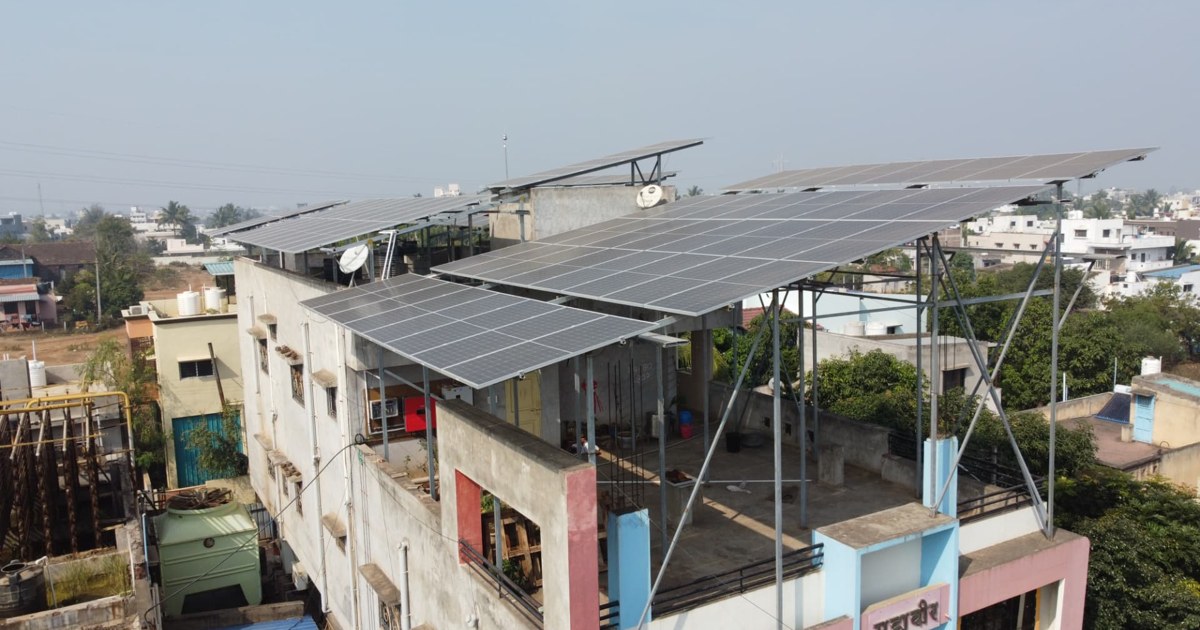
Introduction
Rooftop solar can help homeowners reduce dependence on grid electricity and manage long-term energy costs. However, the right system depends on the home’s roof, electricity consumption, local rules and available space.
Before requesting a quotation, homeowners should understand how solar works, what affects generation and what should be checked during a site assessment.
How does rooftop solar work?
A grid-connected rooftop solar system typically includes:
- Solar panels.
- Mounting structure.
- Inverter.
- DC and AC cables.
- Protection equipment.
- Metering arrangement.
- Monitoring system, where applicable.
Solar panels generate DC electricity. The inverter converts it into AC electricity for household use. Depending on the system and applicable rules, surplus electricity may be exported to the grid under a net-metering or other approved arrangement.
Is your roof suitable for solar?
A roof may be suitable if it has:
- Adequate usable area.
- Limited shading.
- Suitable orientation and tilt.
- Good structural condition.
- Safe access.
- Space for electrical equipment.
- Proper drainage and waterproofing.
A site assessment should check all of these factors before recommending a system.
How much solar capacity does a home need?
System capacity depends on:
- Monthly electricity consumption.
- Available roof area.
- Shading.
- Roof orientation.
- Household size.
- Appliance usage.
- Operating hours.
- Future electricity needs.
- Local metering rules.
A larger system is not automatically better. If the home cannot use or export the energy effectively, the additional capacity may not deliver the expected benefit.
What is net metering?
Net metering is an arrangement where a grid-connected solar customer may export surplus electricity to the grid and receive credit, subject to applicable rules.
The exact treatment depends on:
- State regulations.
- Distribution utility rules.
- Metering arrangement.
- System capacity.
- Connection type.
- Current policy.
Homeowners should check the current rules applicable to their location before finalizing a system. India’s national rooftop-solar portal provides information on grid-connected rooftop solar and related processes.
What affects solar generation?
Solar generation can vary due to:
- Sunlight and weather.
- Seasonal changes.
- Roof orientation.
- Panel tilt.
- Shading.
- Dust and soiling.
- System design.
- Equipment performance.
- Inverter efficiency.
- Cable losses.
- System downtime.
- Maintenance.
A realistic generation estimate should explain its assumptions rather than promise a fixed monthly result.
What should a solar quotation include?
A clear quotation should include:
- Proposed system capacity.
- Number of panels.
- Module make and model.
- Inverter make and model.
- Mounting structure.
- Cables and protection.
- Installation scope.
- Civil and structural work.
- Electrical work.
- Metering and approvals.
- Monitoring system.
- Warranty details.
- O&M scope.
- Payment terms.
- Project timeline.
- Exclusions.
Do not compare quotations only on total price. Two quotations with the same capacity may include very different scopes.
What should homeowners prepare?
Before a site survey, keep these details ready:
- Recent electricity bills.
- Roof photographs.
- Approximate roof dimensions.
- Location and building type.
- Major appliances.
- Daily electricity usage pattern.
- Existing backup arrangement.
- Future electricity needs.
- Any roof or electrical concerns.
How long does installation take?
The timeline depends on:
- Site assessment.
- System design.
- Equipment availability.
- Approvals.
- Electrical work.
- Weather.
- Installation scope.
- Commissioning.
A professional installer should provide a realistic timeline after reviewing the site and project requirements.
What maintenance is required?
Solar systems may require:
- Periodic panel cleaning.
- Inverter checks.
- Cable and connector inspection.
- Mounting-structure inspection.
- Monitoring review.
- Fault response.
- Safety checks.
The Ministry of New and Renewable Energy’s rooftop-solar O&M guidance recommends regular cleaning and inspection, using water and a soft sponge or cloth while avoiding abrasive materials.
Common homeowner questions
Do solar panels work on cloudy days?
Solar generation may be lower on cloudy days, but it does not automatically stop. Actual output depends on sunlight, cloud cover, shading and system design.
Do solar panels need cleaning?
Yes, cleaning may be required depending on dust, pollution, rainfall, bird activity and local conditions. Cleaning frequency should be based on site conditions and performance.
Can solar power a home during a power cut?
A standard grid-connected system may shut down during a grid outage for safety reasons. Backup during outages requires appropriate battery storage and electrical design.
How long do solar panels last?
Solar panels are designed for long-term operation, but actual performance can change over time. Product and performance warranties should be reviewed carefully.
Is solar suitable for every home?
No. Roof area, shading, structural condition, electricity consumption and local rules all affect suitability.
How Conservit can help
Conservit can support homeowners by:
- Reviewing electricity bills.
- Assessing roof and site conditions.
- Explaining system options.
- Preparing a clear project scope.
- Supporting installation and commissioning.
- Discussing O&M requirements.