
Conservit energy guide
Tata Power Solaroof and PM Surya Ghar: Why Homeowners Need to Act Before 15 December
How Tata Power rooftop solar is helping India reach the PM Surya Ghar goal, where Conservit fits in, and the sanction and subsidy dates Maharashtra homeowners should plan around.
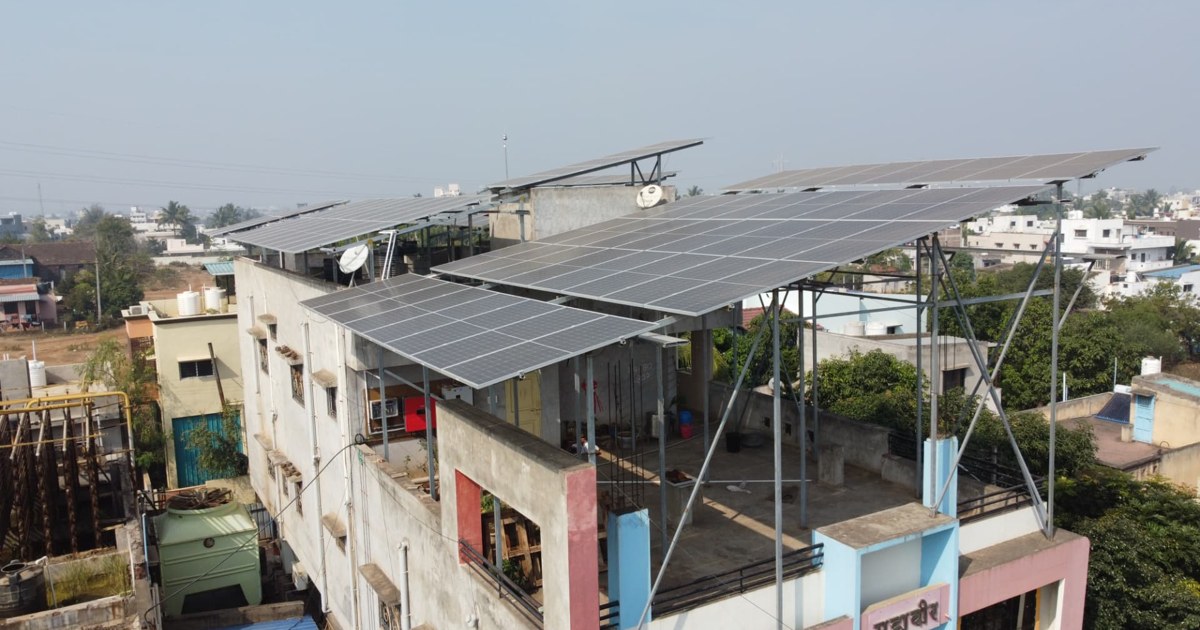
Introduction
India has set itself a clear goal: one crore homes running on rooftop solar. The PM Surya Ghar: Muft Bijli Yojana, launched in February 2024, is the national programme behind it. By August 2026 the Ministry of New and Renewable Energy reported that it had reached more than 50 lakh households, about half the target.
The second half of that journey is where timing starts to matter. The scheme's approved implementation period runs to 31 March 2027, and approvals, installation, inspection and subsidy claims all take weeks. For a homeowner who has been thinking about solar "someday", this winter is the practical window.
What PM Surya Ghar offers a homeowner
Under the scheme, eligible residential consumers can receive central financial assistance for a grid-connected rooftop system:
- Rs 30,000 for a 1 kW system.
- Rs 60,000 for a 2 kW system.
- Up to Rs 78,000 for systems of 3 kW and above.
The subsidy is paid into the homeowner's bank account after the DISCOM verifies the installation. To qualify, the system must meet the scheme's equipment conditions, including domestically manufactured modules, and the household must not have claimed another subsidy for the same system. Homeowners should always check the current terms on the national rooftop-solar portal.
How Tata Power rooftop solar is helping the mission
A national target of one crore homes cannot be met by subsidy alone. It needs trained installers, quality equipment, financing and homeowners who trust the process. This is where large, organised players matter.
Tata Power Solaroof, part of Tata Power Renewable Energy, reports cumulative rooftop installations of about 5.75 lakh and more than 5.67 GWp of capacity across residential and commercial segments. Tata Power describes this as making it India's leading rooftop solar player, and links its "Ghar Ghar Solar" campaign directly to the goals of PM Surya Ghar.
Three things stand out:
- Reach. Ghar Ghar Solar has been taken to many states, with awareness drives aimed at semi-urban and village households as well as big cities.
- Financing. Tata Power has introduced financing options, including low or zero down-payment structures for eligible customers, to address the upfront-cost barrier that stops many families.
- Storage and support. Tata Power now pairs rooftop solar with battery storage options, so homes can plan for outages as well as lower bills.
For homeowners, this means a recognised brand, standardised products and a clearer after-sales path, which are the things people worry about most when they put money into a roof.
Where Conservit fits in
A national programme and a national brand still need local people who understand your roof, your meter and your DISCOM. That is Conservit's role.
Conservit works with Tata Power Solaroof to bring rooftop solar to homes in Pune, Kolhapur and across Maharashtra. We survey the roof, review twelve months of bills, design the system, handle the application and documentation, install, and support you through net metering and commissioning. Our team has also been an installing partner in the Shelkewadi village programme, where 120 homes were solarised.
If you want the scheme's benefit, this is the stage where a careful, organised installer saves you the most time.
Why you need to act now: the dates that matter
PM Surya Ghar is a process with several steps, not a single purchase. Each step depends on the one before, and each can take longer than expected during a busy season.
To keep our customers safely inside the scheme window, Conservit is working to two cutoffs:
- 15 December: solar sanction. Applications that have completed the site survey, document collection, portal registration and DISCOM sanction by this date can be scheduled for installation this season.
- 15 March: subsidy. Installation, net-meter installation, inspection and commissioning need to be complete, with the subsidy claim submitted, by this date so that there is buffer before the scheme's official end on 31 March 2027.
The practical timeline looks like this:
| Period | What should happen |
|---|---|
| Now to 15 December | Survey, bills and documents, portal registration, DISCOM sanction, loan decision |
| Mid-December to February | Material procurement, structure fabrication, panel and inverter installation |
| February to 15 March | Net-meter installation, DISCOM inspection, commissioning, subsidy claim |
As of 22 November 2026, there are just over three weeks left before 15 December. A survey and a complete set of documents are the two things that most often delay sanction, and both can be started this week.
No extension or successor scheme has been officially notified. It may or may not come, but a plan that depends on one is a risk the homeowner carries, not the scheme.
Why moving faster also means living more sustainably
The subsidy is a good reason to move, but it is not the only one. A rooftop system starts displacing grid electricity from the day it is commissioned, and it keeps doing so for decades. Every month of delay is a month of daytime electricity you could have generated yourself.
On a national scale, each household that installs solar reduces demand on a grid that still relies heavily on coal. That is the real purpose of the mission, and each home that joins is part of it.
What to do this week
- Keep your last twelve months of electricity bills ready.
- Keep your Aadhaar, PAN, bank details and property or ownership proof handy.
- Take photographs of your roof and note any shading.
- Book a site survey with Conservit.
- Decide whether you will pay in cash or use a loan, so that financing runs in parallel with the sanction.
Frequently asked questions
Is 15 December an official government deadline?
The scheme's official implementation period runs to 31 March 2027. The 15 December and 15 March dates are Conservit's working cutoffs, set so that sanction, installation, inspection and subsidy claim all fit comfortably inside that window.
Can I install first and apply later?
No. Under the scheme, you should wait for DISCOM approval before installing. Installing first can put your subsidy at risk.
Does the subsidy come automatically?
The subsidy is credited to your bank account after the DISCOM inspects and commissions the system and the claim is processed. The name on your bank account should match your electricity bill to avoid delays.
What if I need a battery for power cuts?
A standard on-grid system shuts down during a grid outage for safety. If backup matters to you, ask about solar with battery storage during the survey.